NINE STYLES. ONE STORY. YOUR CHOICE.
The right art style makes a story feel like itself. Compare every Mankai style below, see what each one is best for, and start creating in the look that fits your idea — no drawing required.
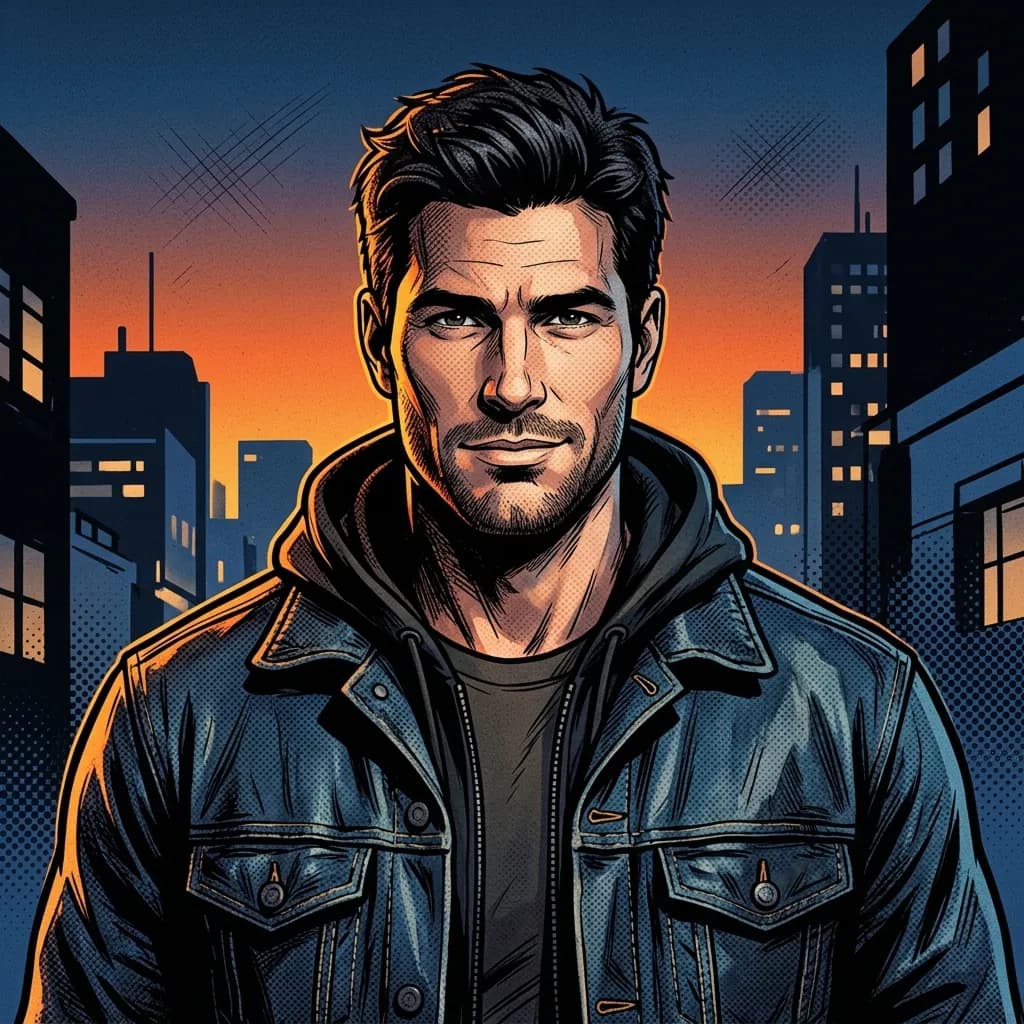
Comic Book
Bold, semi-realistic panels with cinematic lighting.
Best for: Superheroes, sci-fi crews, heists and action-packed one-shots.
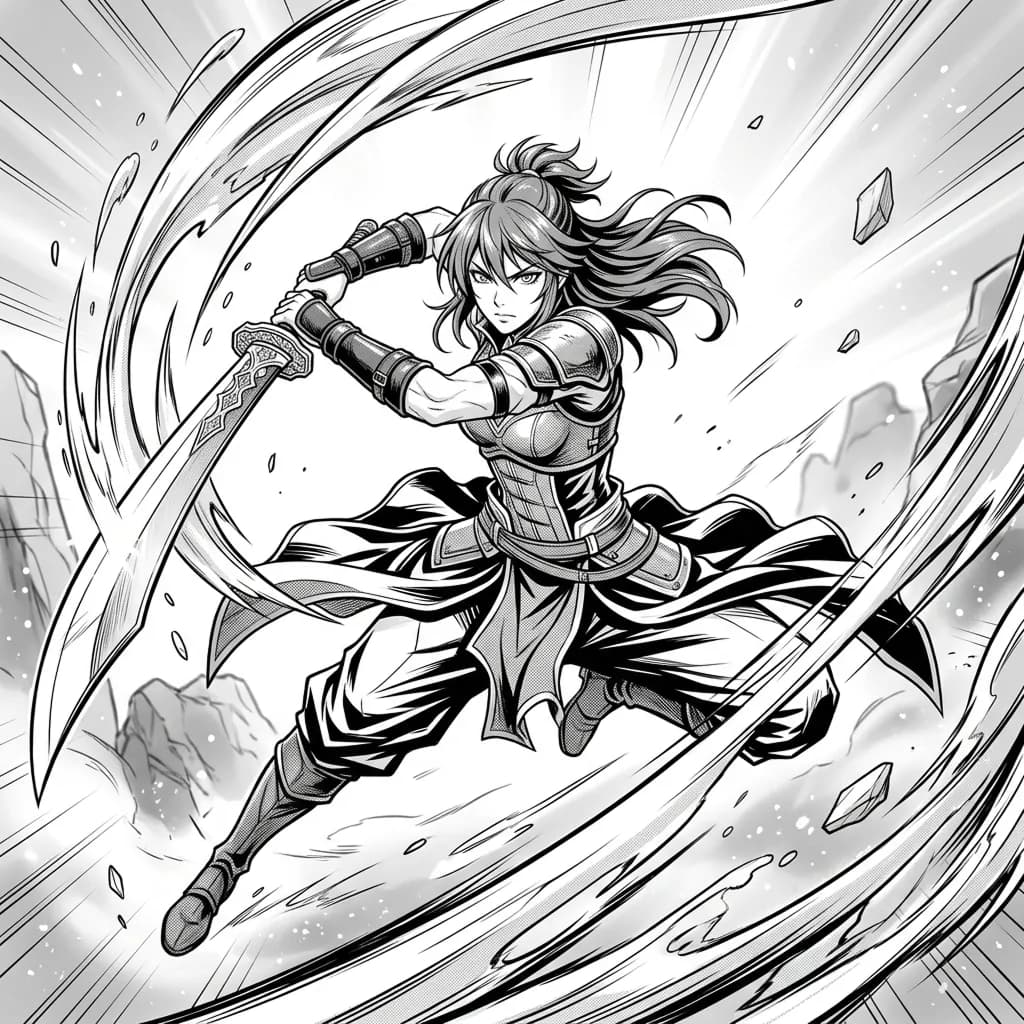
Manga
Classic Japanese ink look with dynamic line art.
Best for: Shonen battles, school stories, samurai epics and classic black-and-white drama.
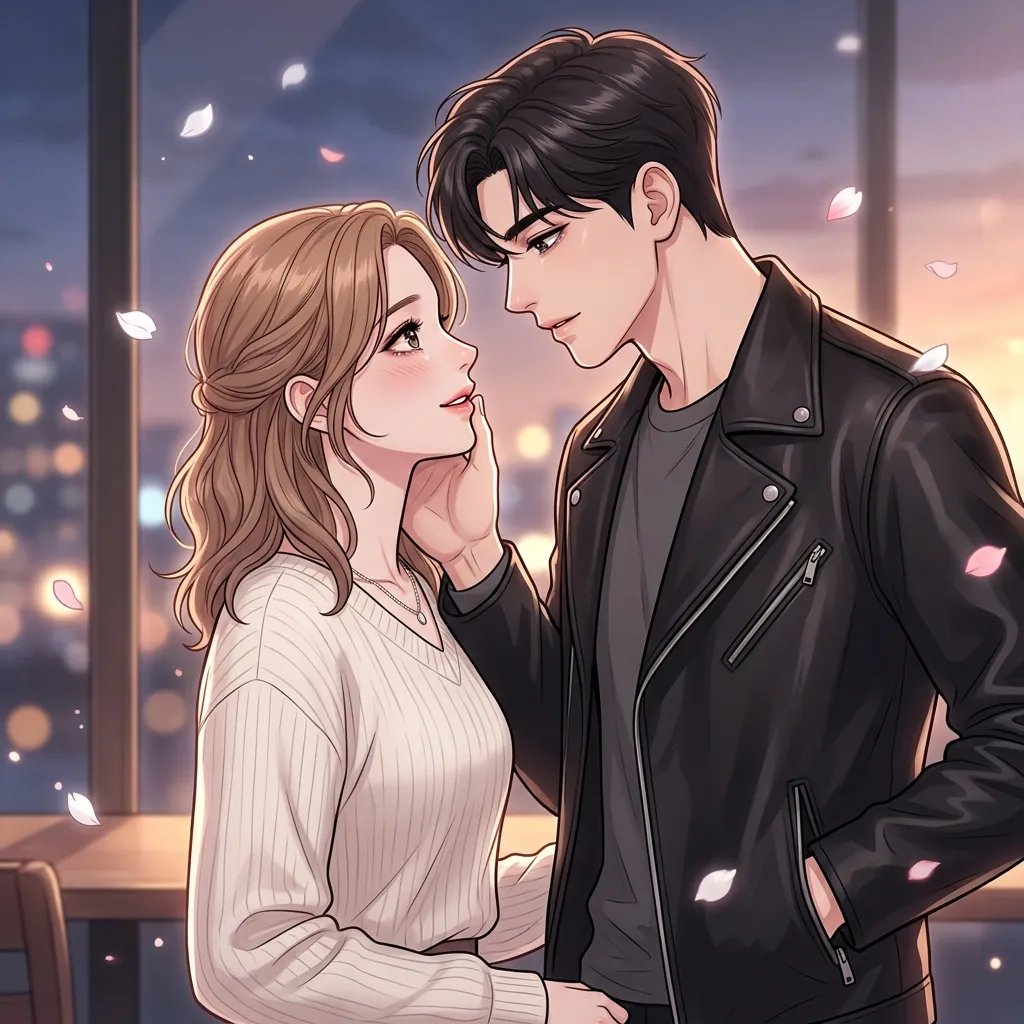
Manhwa
Soft Korean webcomic aesthetic — warm, clean linework.
Best for: Romance, regression fantasy, villainess stories and emotional slice of life.
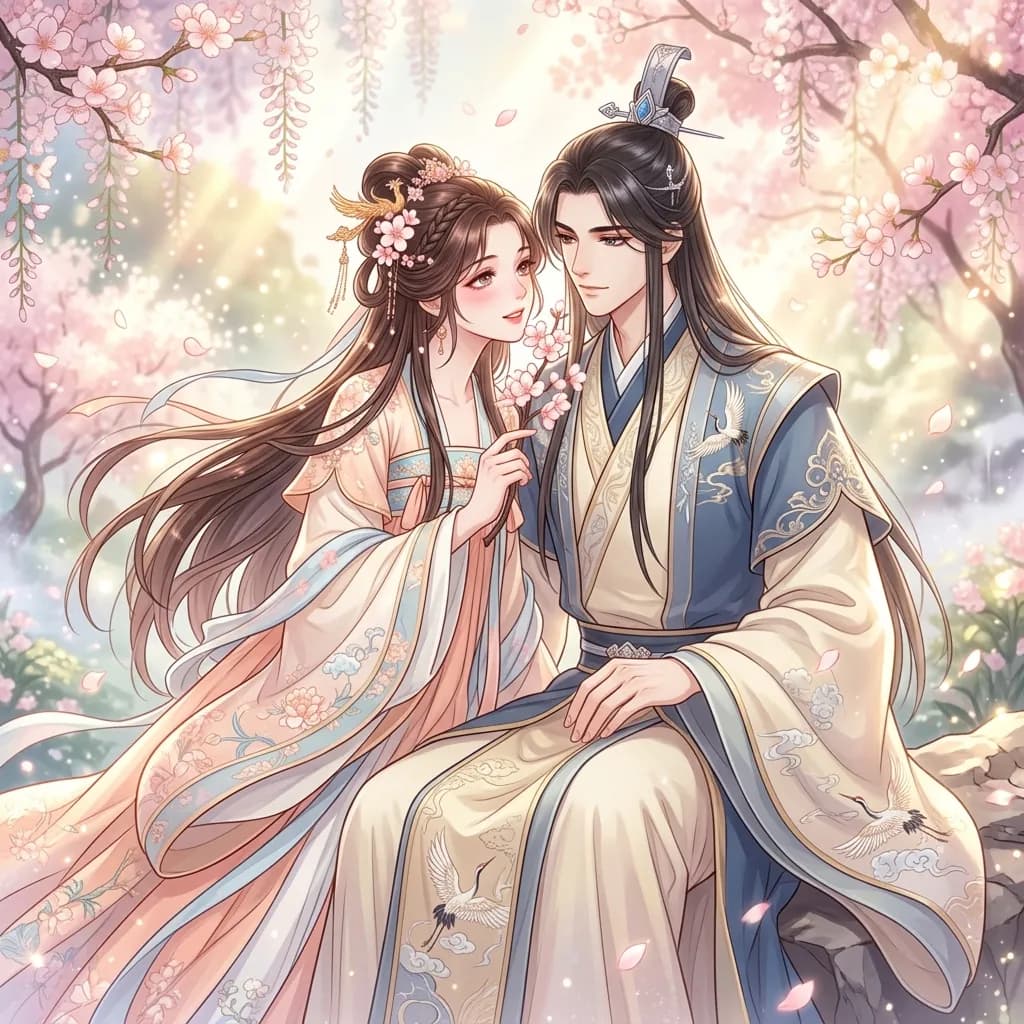
Manhua
Chinese brush-painting elegance and dreamy compositions.
Best for: Wuxia, cultivation, palace intrigue and rebirth sagas.
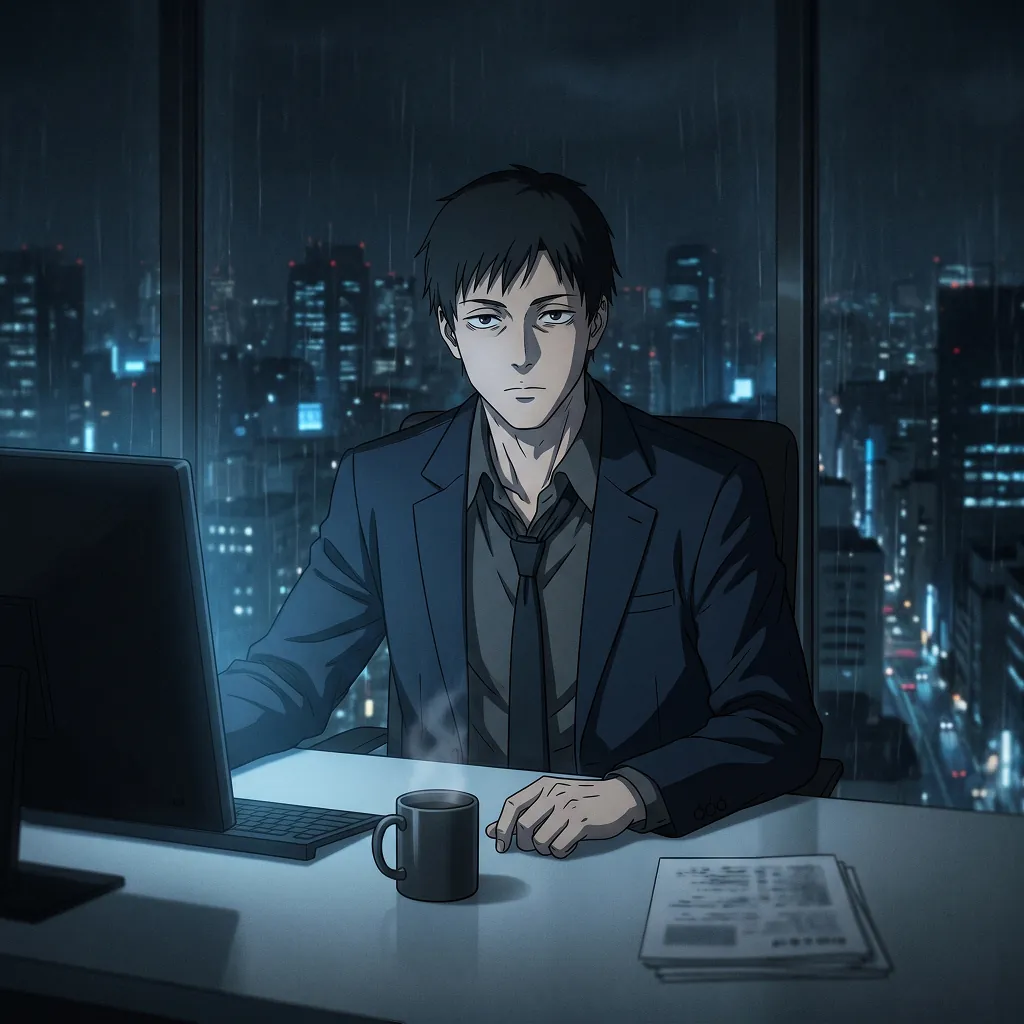
Seinen
Mature, gritty manga aimed at older readers.
Best for: Noir, cyberpunk, dark fantasy and serious, grown-up drama.
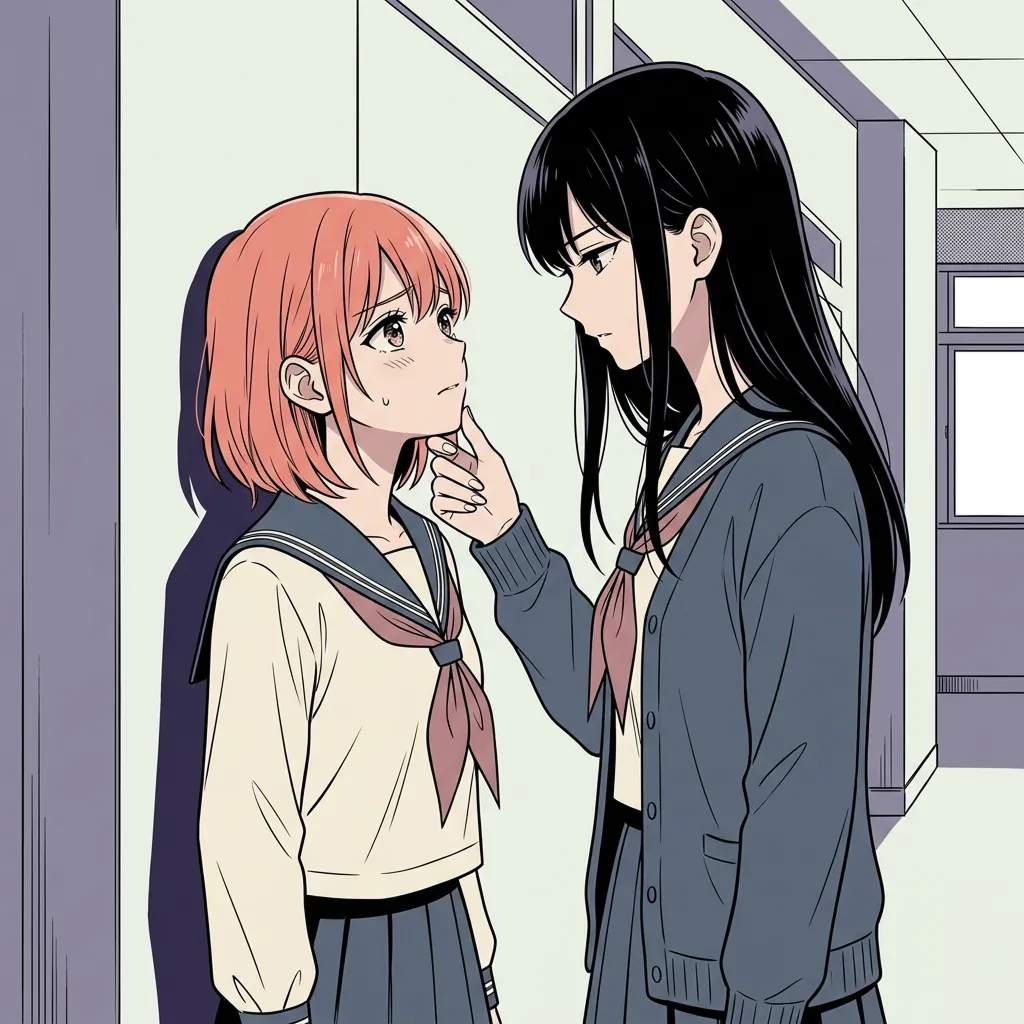
Girls Love
Romantic narratives between female leads.
Best for: Romance and deep bonds between female leads.
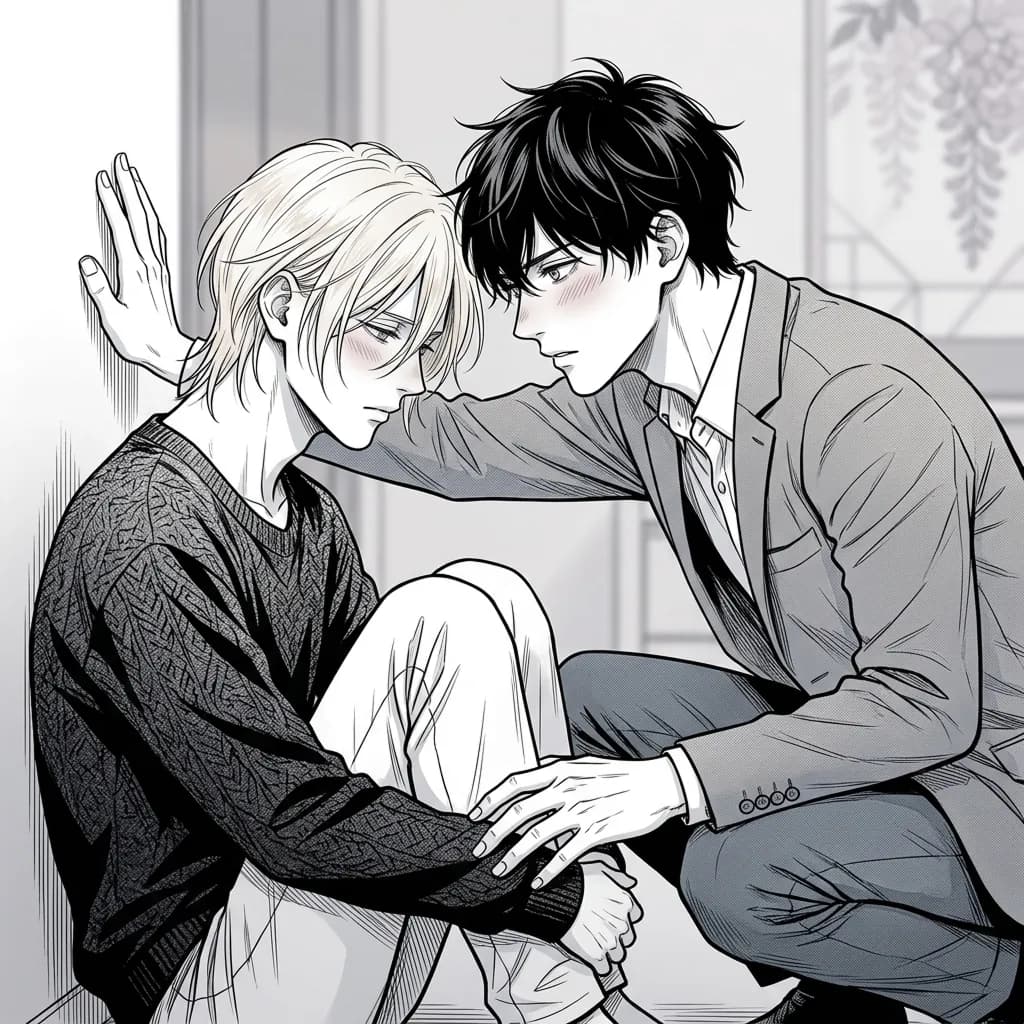
Boys Love
Romantic narratives between male leads.
Best for: Romance between male leads — rivals to lovers, slow burns, fated bonds.
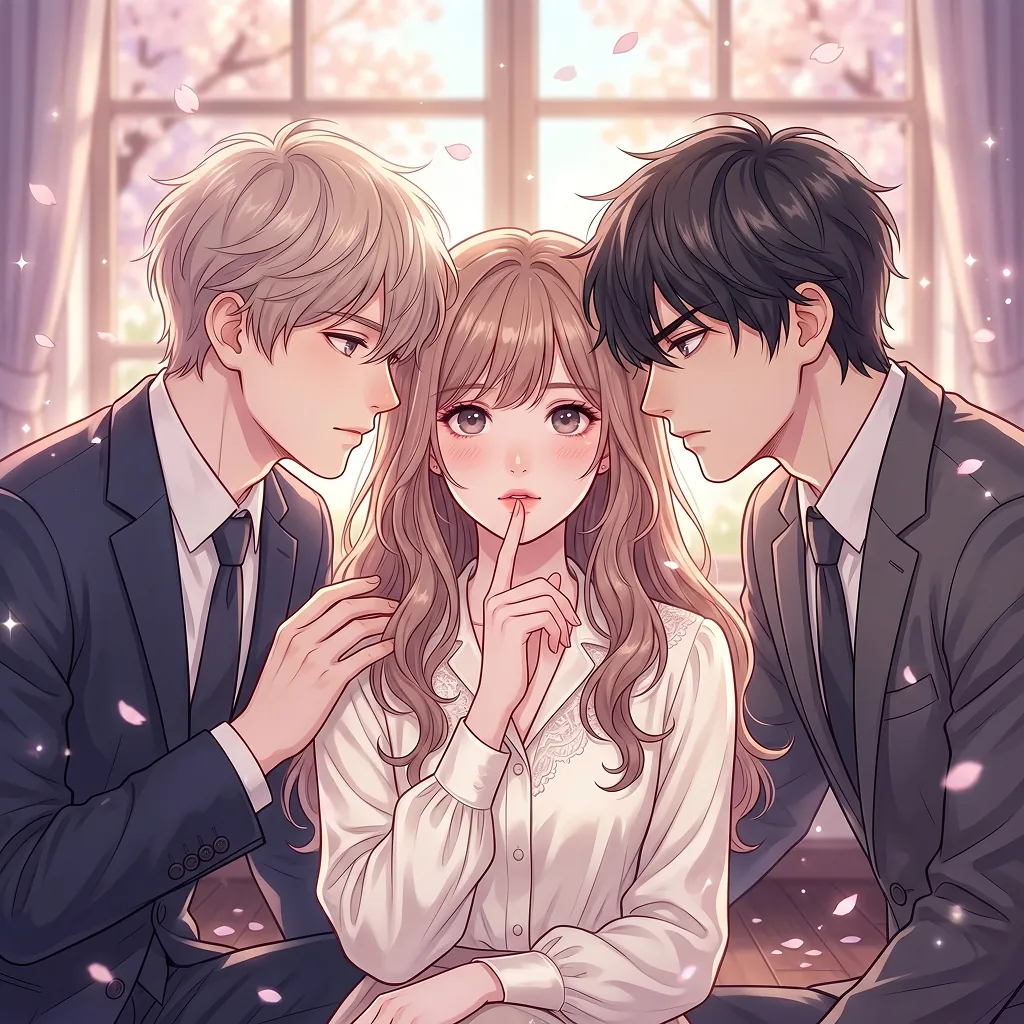
Love Triangle
Tension-soaked romance between three leads.
Best for: Romantic tension and impossible choices between three leads.
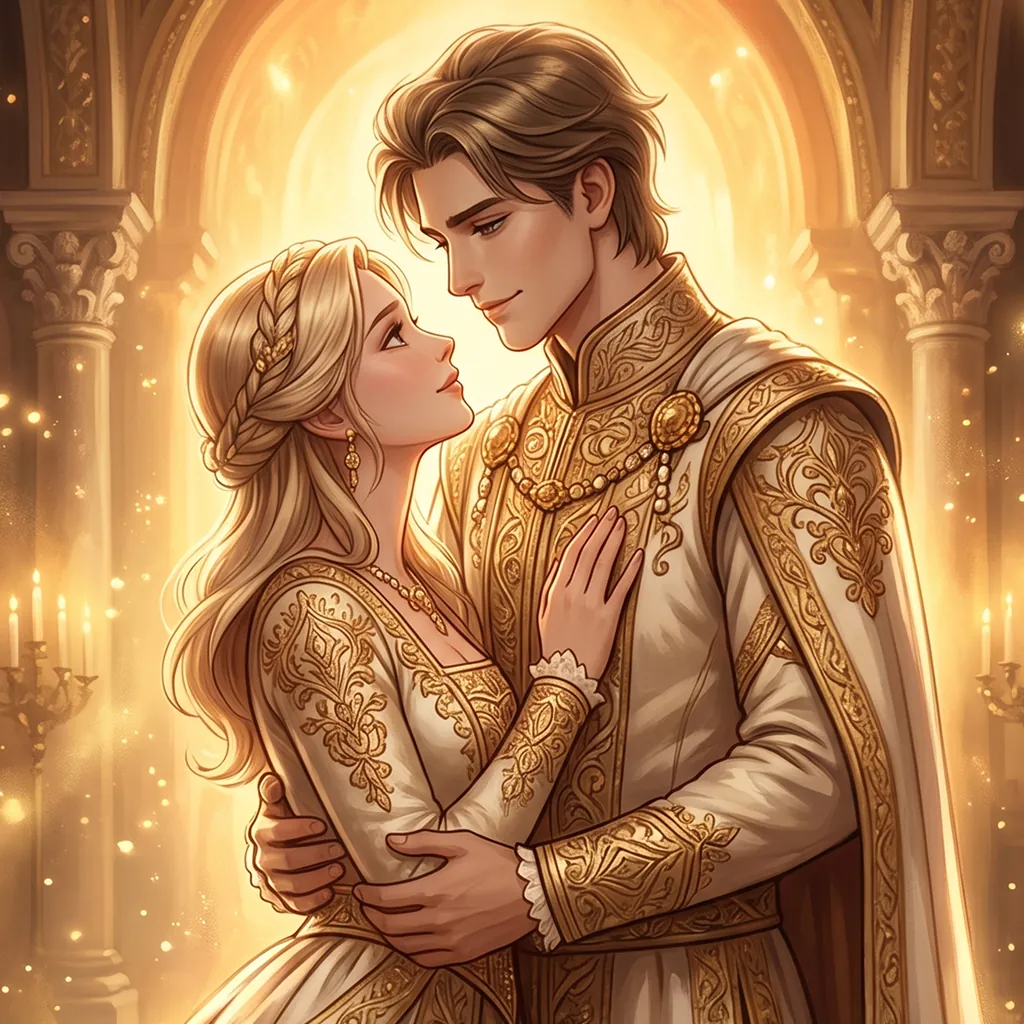
Golden Spirit
Painterly, mythical and ornate compositions.
Best for: Myths, gods, ancient kingdoms and ornate, painterly fantasy.
WHY THE STYLE MATTERS AS MUCH AS THE STORY
Readers decide what kind of story they're reading in the first panel. Ink-heavy black-and-white says shonen battle or samurai drama; soft full colour says romance or fantasy webtoon; painted jade and mist says cultivation epic. Matching the style to your genre makes your story instantly feel right.
With Mankai you don't have to master any of them. Each style changes the colouring, the linework, the lighting and even how many panels sit on a page — so the pacing fits the genre, too. Write once, pick the look, and Mankai does the drawing.
Not sure yet? Make the same two pages in two styles and compare. It's the fastest way to find the version of your story you'd want to read.
MANGA VS MANHWA VS MANHUA: HOW THE ART STYLES DIFFER
Manga (Japan) is the black-and-white classic: crisp ink lines, screentone shading, expressive eyes and dense, fast-paced panel layouts. Manhwa (Korea) is usually full colour, with soft digital shading, clean lines and big, emotional close-ups — the look of most webtoons. Manhua (China) is the most painterly of the three, with rich colour, flowing robes and ornate, mythic scenery.
Beyond those three, Mankai adds Western Comic Book art, mature Seinen, romance styles for Boys Love, Girls Love and Love Triangle stories, and the ornate, mythic Golden Spirit style — nine manga art styles in total, all available from one prompt.
QUESTIONS, ANSWERED
Which style should I choose for my first manga?+
Pick the style your story's genre usually lives in: Manga for action and school stories, Manhwa for romance and fantasy, Manhua for wuxia and palace drama, Comic Book for superheroes. You can always remake the same story in another style.
Can I mix styles in one story?+
Each story uses one style so the pages look consistent. You can start a new story — or a new episode — in a different style whenever you like.
Do my characters work in every style?+
Yes. The same preset or custom characters can be used in all nine styles, and Mankai keeps their faces consistent within each story.
What are the different types of manga art styles?+
The main families are Japanese manga (black-and-white ink), Korean manhwa (full-colour webcomic), Chinese manhua (painterly colour) and Western comics. Within them are genre looks like seinen, shonen, shojo, Boys Love and Girls Love. Mankai offers nine of these as AI styles.
What's the difference between manga, manhwa and manhua art styles?+
Manga is usually black-and-white with screentone shading and dynamic ink lines; manhwa is typically full colour with soft digital shading and clean lines; manhua leans painterly, with rich colour and flowing, ornate detail.
How many panels are on a page?+
It depends on the style: Manhwa and Golden Spirit use three large panels, Comic Book and the romance styles use four, Manhua and Seinen use five, and Manga uses six for fast-paced storytelling.
KEEP EXPLORING
FOUND YOUR STYLE? START YOUR STORY
Pick a look, choose your characters and describe what happens. Mankai draws every page.